Metabolic research in 2026 benefits from an unprecedented diversity of research chemicals targeting distinct metabolic pathways. From incretin receptor agonists that have transformed clinical obesity treatment to novel small molecules targeting intracellular energy sensors, researchers now have tools to interrogate metabolism at every level -- from systemic appetite regulation to cellular mitochondrial function. This guide profiles the major compound classes, compares their mechanisms, and provides practical guidance for metabolic study design.
The 2026 Metabolic Research Landscape
Metabolic research has entered what many call a "golden age," driven by clinical breakthroughs with incretin-based therapies and parallel advances in understanding intracellular energy regulation. The available research compound toolkit now spans five distinct mechanistic categories:
- Incretin receptor agonists: GLP-1, GLP-1/GIP dual, and GLP-1/GIP/glucagon triple agonists
- Growth hormone pathway compounds: Modified GH fragments targeting peripheral lipid metabolism
- Cellular energy sensor modulators: NNMT inhibitors, AMPK activators, and sirtuin pathway modulators
- Transcription factor agonists: ERR agonists and PPAR modulators targeting metabolic gene programs
- Mitochondrial-derived peptides: Endogenous mitochondrial signaling molecules with metabolic regulatory functions
Category 1: Incretin Receptor Agonists
Incretin-based compounds represent the largest evidence base and the most clinically advanced metabolic research tools available.
GLP-2 TZ (Dual GLP-1/GIP Agonist)
The tirzepatide class represents dual incretin receptor engagement. With Phase 3 clinical data showing 20.9% mean weight reduction (SURMOUNT-1) and head-to-head superiority over semaglutide (SURPASS-2), GLP-2 TZ provides the most extensively validated dual-agonist research tool. Its GIP-preferring profile makes it particularly useful for studying the contribution of GIP receptor activation to metabolic outcomes.
Key applications: Metabolic syndrome models, glycemic regulation studies, incretin synergy research, adipose tissue biology
GLP-3 RT (Triple GLP-1/GIP/Glucagon Agonist)
The retatrutide class adds glucagon receptor agonism to the dual incretin foundation. Phase 2 data showing 24.2% weight loss and ~90% hepatic steatosis resolution makes this the most metabolically comprehensive single compound available. The glucagon component specifically enhances energy expenditure and hepatic fat oxidation -- effects not achievable with GLP-1 or dual agonists alone.
Key applications: MASLD/MASH research, energy expenditure studies, comprehensive metabolic intervention, hepatic lipid metabolism
Category 2: Growth Hormone Pathway Compounds
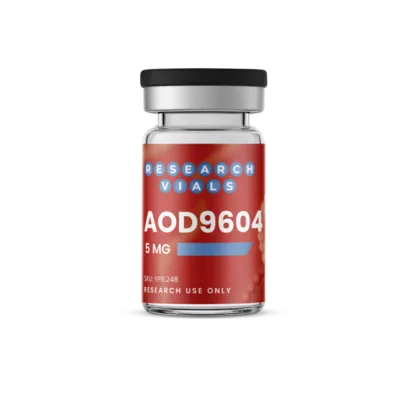
AOD-9604 (Modified hGH Fragment 177-191)
AOD-9604 isolates the lipolytic activity of human growth hormone without its growth-promoting or diabetogenic effects. By targeting peripheral adipose tissue metabolism directly, it provides a uniquely "clean" metabolic intervention -- no appetite effects, no GI side effects, no insulin impact. This makes it an excellent mechanistic control in metabolic studies where separating central appetite effects from peripheral metabolic effects is critical.
Key applications: Lipolysis research, adipose tissue biology, GH fragment pharmacology, combination studies requiring non-appetite metabolic intervention
All products ship from the USA with cold-chain packaging and are available at systempeptides.com.
References
- Jastreboff AM, Aronne LJ, Ahmad NN, et al. Tirzepatide once weekly for the treatment of obesity. N Engl J Med. 2022;387(3):205-216. PMID: 35658024
- Jastreboff AM, Kaplan LM, Frias JP, et al. Triple-hormone-receptor agonist retatrutide for obesity. N Engl J Med. 2023;389(6):514-526. PMID: 37351564
- Heffernan MA, Thorburn AW, Fam B, et al. Increase of fat oxidation and weight loss in obese mice. Int J Obes. 2001;25(10):1442-1449. PMID: 11673764
- Neelakantan H, Vance V, Wetzel MD, et al. Selective and membrane-permeable small molecule inhibitors of nicotinamide N-methyltransferase. Biochem Pharmacol. 2018;147:141-152. PMID: 29107091
- Lee C, Zeng J, Drew BG, et al. The mitochondrial-derived peptide MOTS-c promotes metabolic homeostasis. Cell Metab. 2015;21(3):443-454. PMID: 25738459
Frequently Asked Questions
Research Use Only Disclaimer: All products referenced in this article are sold exclusively for laboratory research purposes. They are not intended for human or veterinary use, food additive use, drug use, or household use. This article is educational content based on published preclinical literature and does not constitute medical advice.